
Chapter 6 of Goulet & Goulet’s book Teaching Each Other: Nehinuw Concepts & Indigenous Pedagogies (2014), focuses on using respectful and responsible teacher to student relationships to model healthy peer relationships (p. 113). I found this chapter affirming in my own views of students in the classroom and the importance of building a strong community the communal learning space.
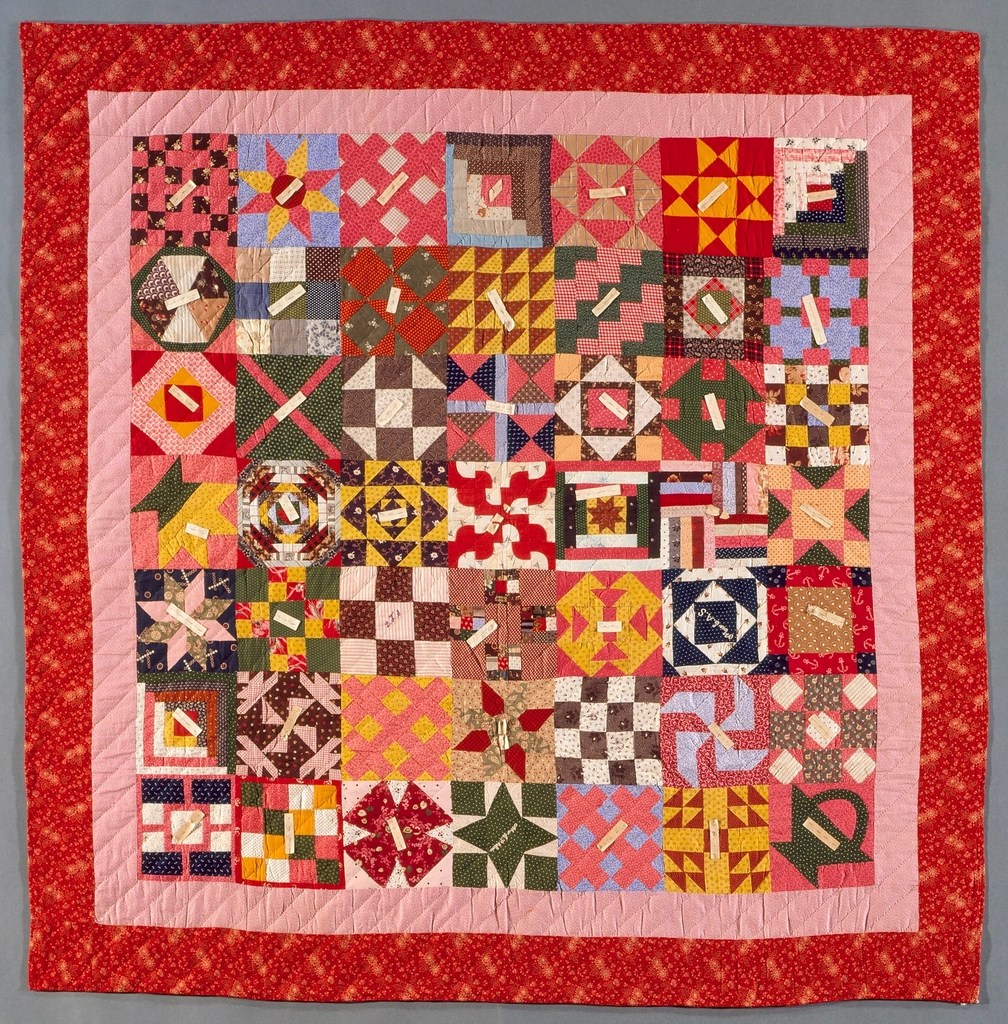
In the coming sections, I explore the critical importance of student to student relationships for all, especially Indigenous students within an educational setting. Furthermore, I discuss how a strong classroom relationships can be symbolized by a quilt as seen above.
Strengths
I resonated with Angie Caron’s story regarding community building within chapter six of Goulet & Goulet’s book. The first connection to Angie’s story revolves around particular students being placed in a teacher’s classroom so they can have a fresh start or someone who will always be in their corner (p.114). The last 3 years of my teaching career, I have heard a sentiment very similar to this from administration. I can recall two students in particular who I already knew would be placed in my classroom the coming school year and it was only April. These students were going to be placed in my classroom because I focus on discovering and utilizing strengths within my classroom. I recall the effort that I put in months before these students were in my room, so that I would have a relationship before they walked into my classroom as a student.
In the classroom, I strive to help each student discover or voice their strengths. This not only supports my classroom planning and instruction, but encourages others to see the gifts that each student has to offer. Each student ends up being the squares of cloth in our classroom quilt. While some squares may look the same, they are an individual with their own strengths, weaknesses and unique personality.
Within my term action plan, I am utilizing this strengths idea to encourage awareness and promote the power of individuality within a grade five classroom. While I am currently on maternity leave, I am fortunate to have strong relationships within my previous school community. A fantastic colleague of mine, who is supportive of my journey to complete my masters, is opening their classroom doors to me. I will be working with 25 students on identifying and utilizing their top intelligence types based on the Multiple Intelligences Theory (Gardner, 1999). I connect this to Angie Caron’s sentiment that as a classroom teacher we need to make curriculum work for kids and be reflective when things are not working for them within our classroom (Goulet & Goulet, 2014, p. 115). Within this action plan, I aspire to have students determine their top intelligence types and then utilize them through 8 activities. Each task requires a different type of intelligence to be used. This structure, along with the use of a connection circle, encourage students to see the human wealth of each classmate. Connection circles encourages students to have a conversation around how each intelligence type can add to the classroom community. Additionally, students are encouraged to make connections between their strengths, weakness and the experiences of each activity. Upon further reflection, I chose to call my circle a connection circle as it was not an authentic open talking circle as culturally represented by many Indigenous cultures in Canada. As I am working with grade five students within a tight time frame and structure of classroom bells, I am focusing on providing a space for students to share their voice within the circle and encourage the idea that each voice within the classroom is important. I recognize that this tight intended goal within a talking circle is not aligned with the free flow and natural occurrence of a talking circle in Indigenous cultures within Canada. The protocol that we are planning to follow includes sitting in a circle, using a talking stick and following in clockwise rotation, encouraging voices by moving the stick around the circle more than once if needed. I look forward to exploring students strengths and reflecting on the experience in further posts.
The following quote by Angie within chapter six of Goulet & Goulet’s text caused me to reflect on my teaching practices and what to do if a student is not connected to their peers or the curriculum: “What am I not doing to enable students to show me what they can do? (p. 115). As a creative teacher, there is power in understanding students strengths, so I can help me to find how to reach each student in a way that puts our relationship first. Realistically, to avoid teacher burnout, I also need to be aware that I can only do so much with my abilities and the time resources that I have. Having a grounded expectation helps me to be resilient and keep making an impact each day.
Leadership
As mentioned previously, knowing students strengths is one step. Teachers must encourage a learning space where strengths support and enhance learning and relationships within the classroom. I recognize the importance of intentionally pairing students based on their strengths. This not only supports students relationships with one another, but also helps to achieve curricular goals. I believe having an open dialogue with students about how strengths are tools to support others is a way to put the relationships amongst students first over achievement. As we intentionally place students in learning opportunities together, like squares of fabric, we foster a space where relationships can be stitched together. Collaboration and teamwork is where leaders are given a space to share their skills and knowledge with their peers. In the past, I have found strengths as a way to reduce the weight of the teaching role as you are not expected to be everything for everyone in the classroom. I love when student start to communicate with one another for advice and support in the learning landscape and as an educator, you become a facilitator or guide to students learning. Personally, that sounds significantly more fun too!
I appreciated Angie’s connection of utilizing circles to represent friendships and the way relationships are interconnections with others (p. 117). In particular, I can see myself leaning upon Angie’s phasing when dealing with an altercation or someone being left out, ” What was your part in this? How could you do this differently to remind a part of the friendship circle and ensure others are included too?” (p. 117). I find this a powerful strategy that focuses on relationships while resolving issues in a responsible and effective manner. Placing relationships first in learning, problem solving and repair is a framework that I intend to take along with me as I continue down my journey of adulthood, parenthood and as an educator.
Community
Not every student seems to be a bold leader at first. I recognize the importance of leaders within a learning community need inspiration from others, often adults. I appreciated hearing from Noah, Cherry and Jaxx on the SUNTEP panel. Listening to their experience and the importance that is placed on relationships between students and others reinforces my learning path as an educator. The impact that having a close relationship with your classmates and your teachers within the program reinforces for me that the connections I strive to achieve within a classroom are supportive of students, especially Indigenous students.
Comparing my positive undergrad experience at the U of R to these SUNTEP students sparked some key takeaways for me. I could physically hear the pride, joy and deep connections that were fostered through SUNTEP’s cultural experiences, hands on activities and land-based learning. I was reminded that even though we have a mandated curriculum in K-12 public school, there is flexibility to customize learning to the students that we share the classroom with each year. I can understand the stress that the constant state of change causes, however, I find this freeing in a way. As an educator, flexibility means that I have the space to try new things, make changes and try again. This panel ignited the feeling that teaching is not about having a set of completed curriculum materials, but instead about continually developing a toolbox of knowledge, experiences and resources to pull from, so you may customize learning to meet the particular group of students that you have each year.
Conclusion
As this week focused on student to student relationships, I am affirmed in the belief that students need to be placed with people who challenge them, support them and motivate them to learn, grow and become better versions of themselves. Going forward, I see myself placing a stronger emphasis in the classroom on how we can utilize non curricular strengths in a way that gets everyone excited and involved in the learning community. In turn, leading to a greater investment in curricular content. Additionally, as an aspiring administrator, I see the value in using strengths to support restorative action within the school community, and seeking to connect before correction. Altogether, chapter six, the SUNTEP panel and classroom discussions this week solidified that peer relationships are a necessity for learning as they, like the threads of quilt, bond the community together.
References
Goulet, L. M., & Goulet, K. N. (2014). Teaching Each Other. UBC Press.
Gardner, H. (1999). Intelligence Reframed: Multiple Intelligences for the 21st Century. Basicbooks. https://ebookcentral.proquest.com/lib/uregina/detail.action?docID=903998.
 The Deasent Blog
Want to add to the conversation?